Thought Leadership – Design. Deploy. Optimise.

11
Panellists
8
Aggreko Partners
65
Attendees
Designing, delivering and optimising the live events of tomorrow
Live events are built on moments that audiences never see – months, and sometimes years, of planning, complex logistics, critical infrastructure and countless decisions made behind the scenes.
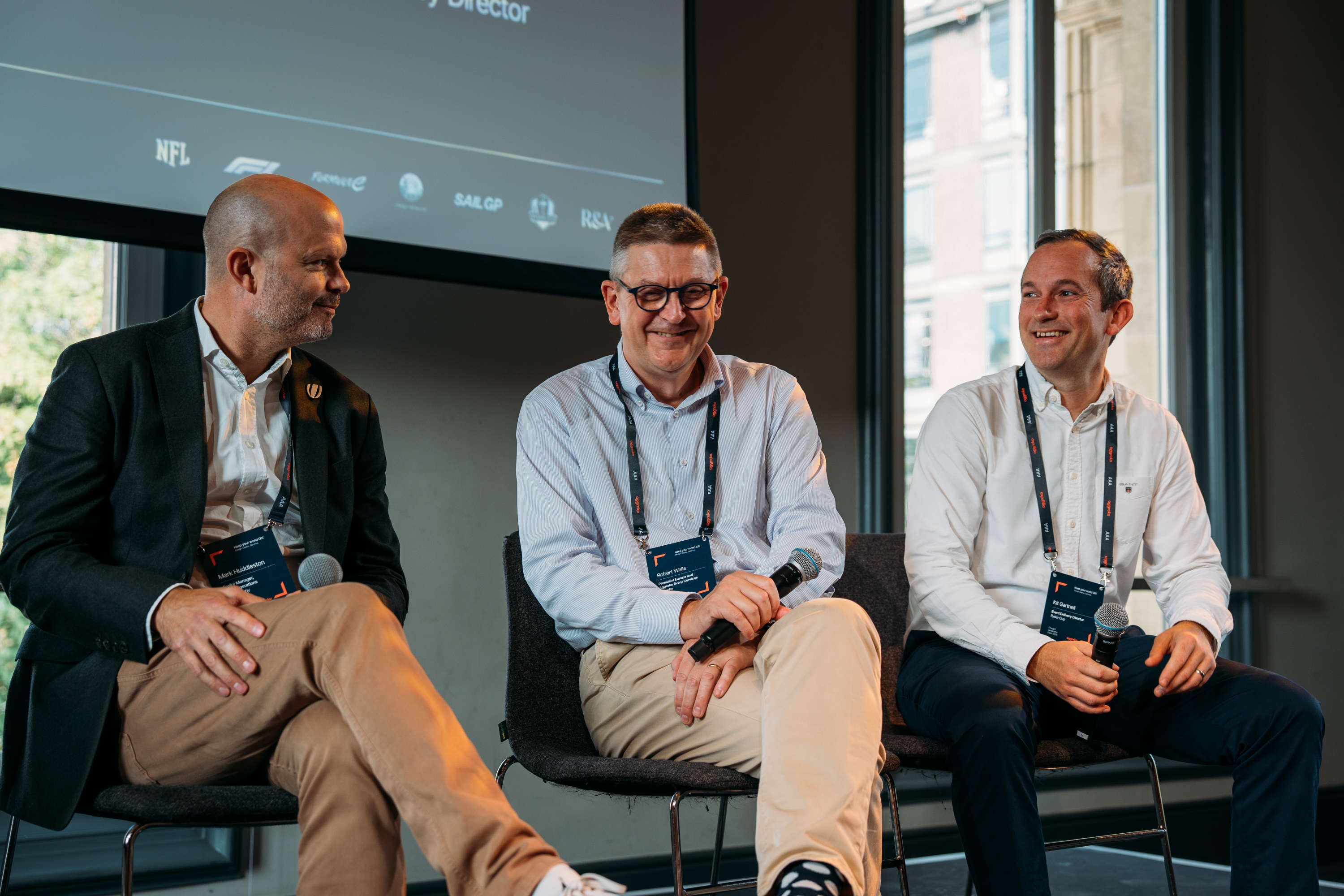
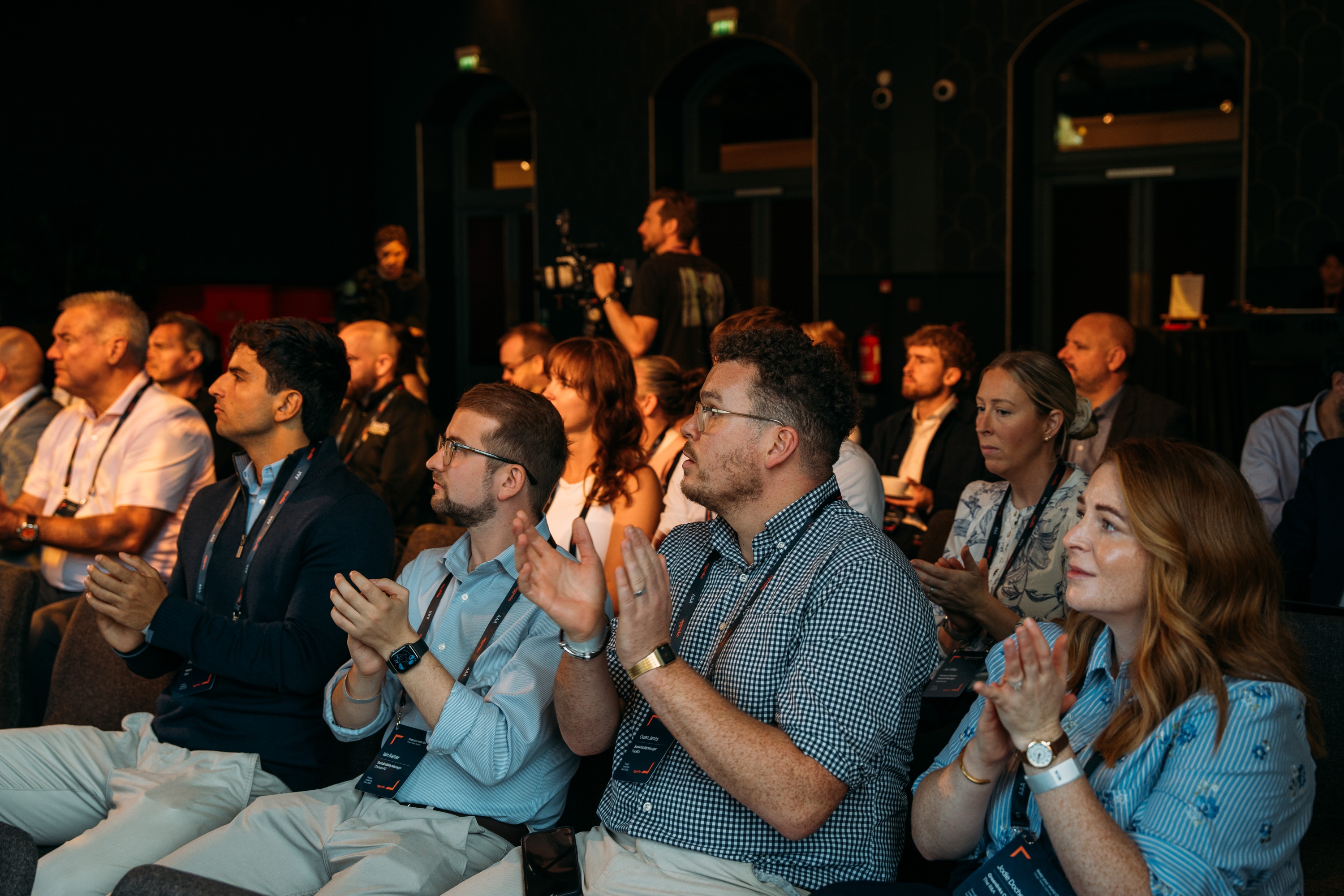
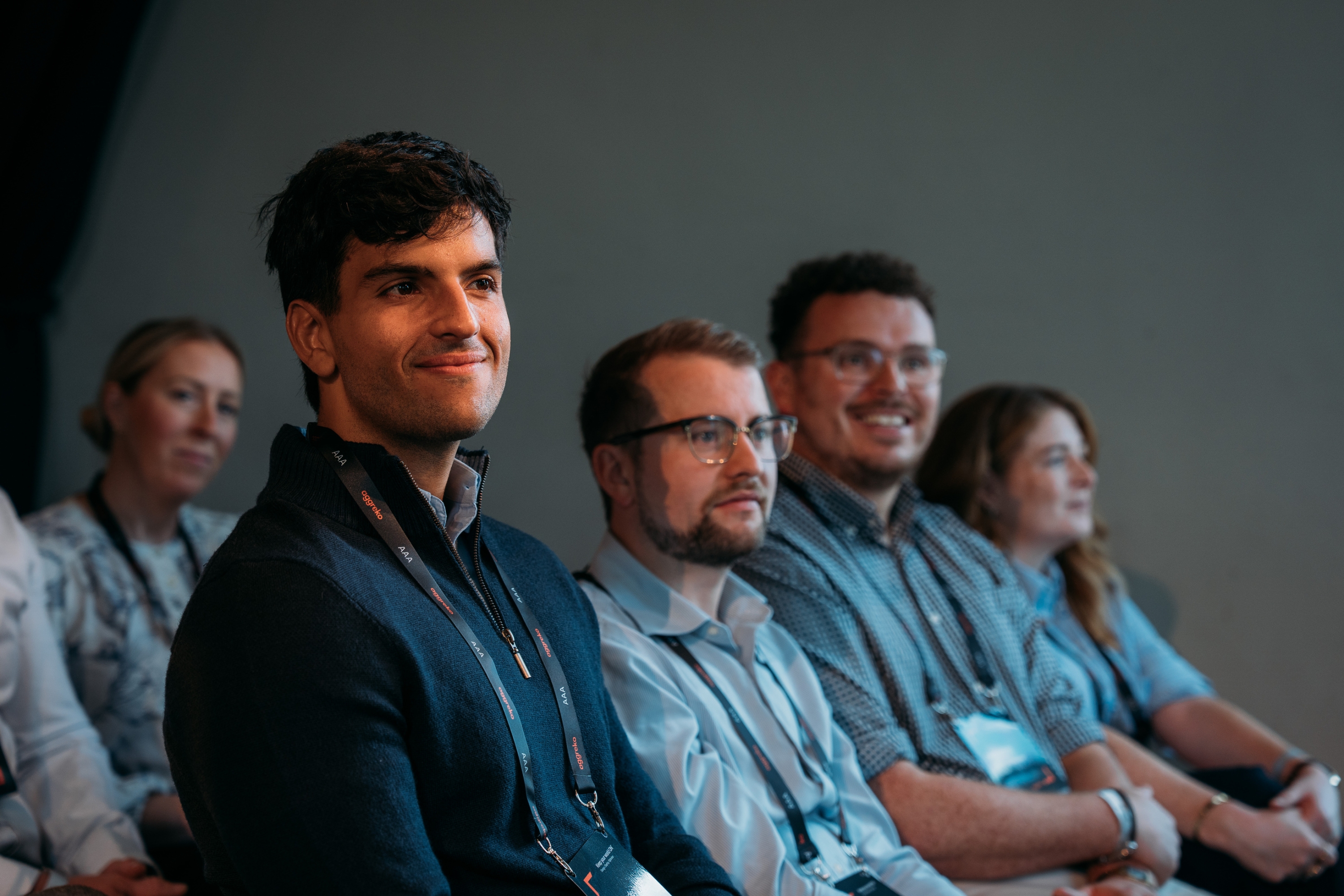
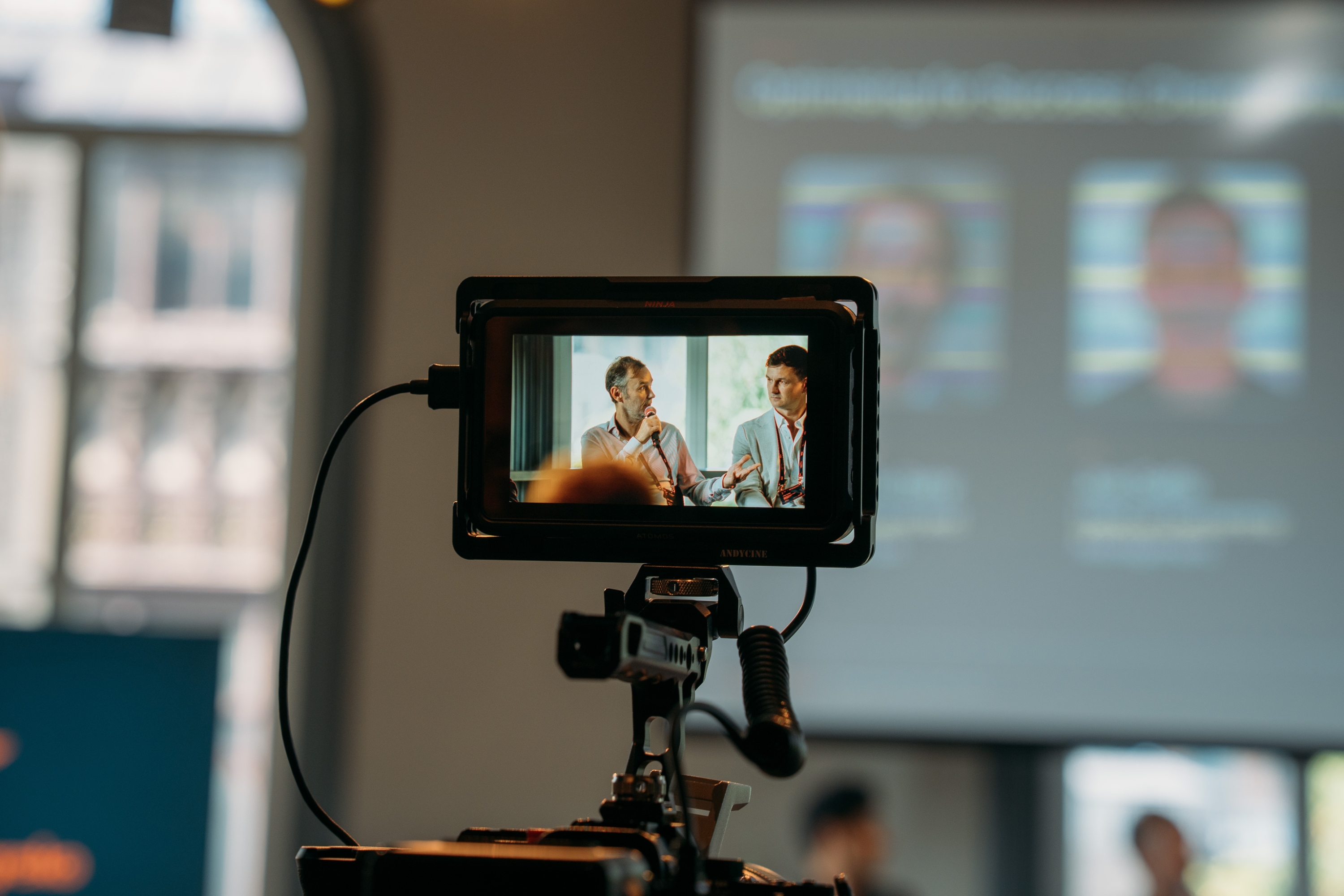
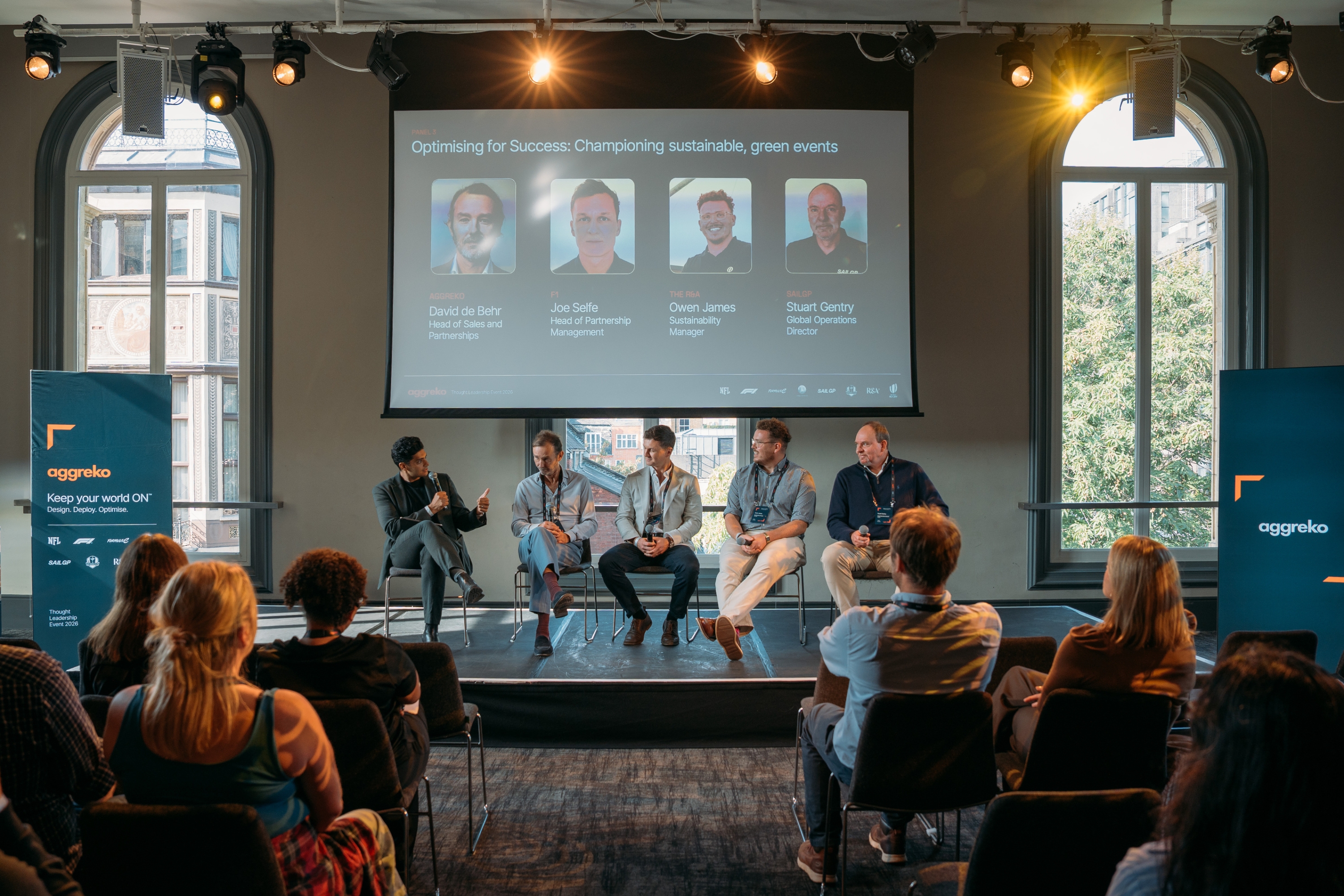
At Aggreko’s Thought Leadership event at London’s Royal Albert Hall, leaders from across the world of sport and live events came together to explore what it takes to deliver exceptional experiences in an increasingly complex environment. The day was hosted by Qasa Alom, a presenter and investigative journalist with a keen passion for environmental conservation, who has chaired panels for the UN at COP 26 & COP 27.
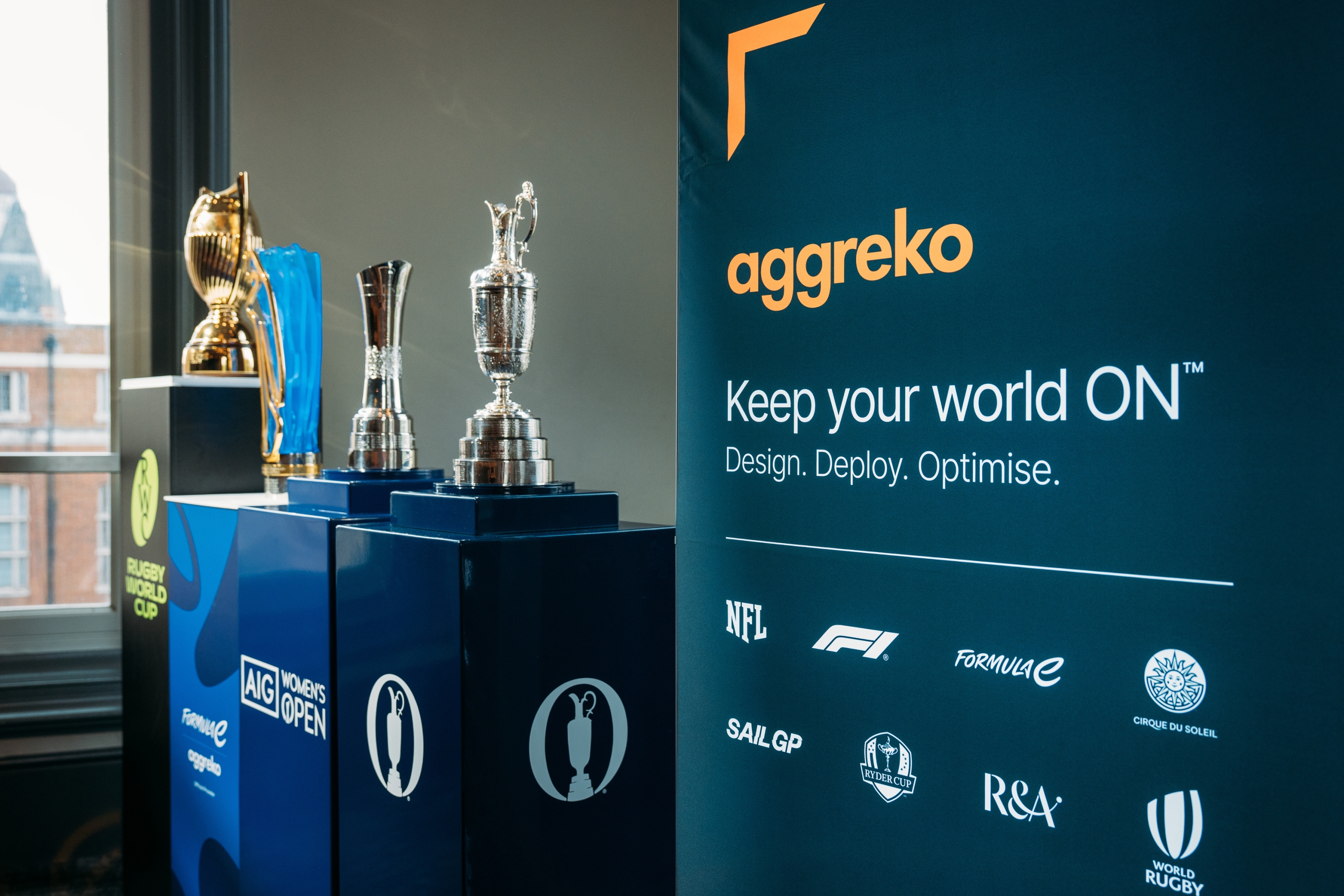
Across three panels – Inside the Design, Deploying with Impact and Optimising for Success – speakers from World Rugby, The Ryder Cup, Cirque du Soleil, Formula E, the NFL, Formula 1 and SailGP shared candid insights into the challenges they face, from changing audience expectations and extreme weather, to sustainability, technology and the need to make critical decisions in real time.
One theme ran throughout the day: successful events depend on more than technology alone. They require early planning, trusted partnerships, data-led decision making and the ability to adapt when circumstances change.
The more I advance in my career, the more I realise how important trust and relationships are in this industry.
Jen McCandie, Senior Manager of Event Operations, NFL
From concept to creation
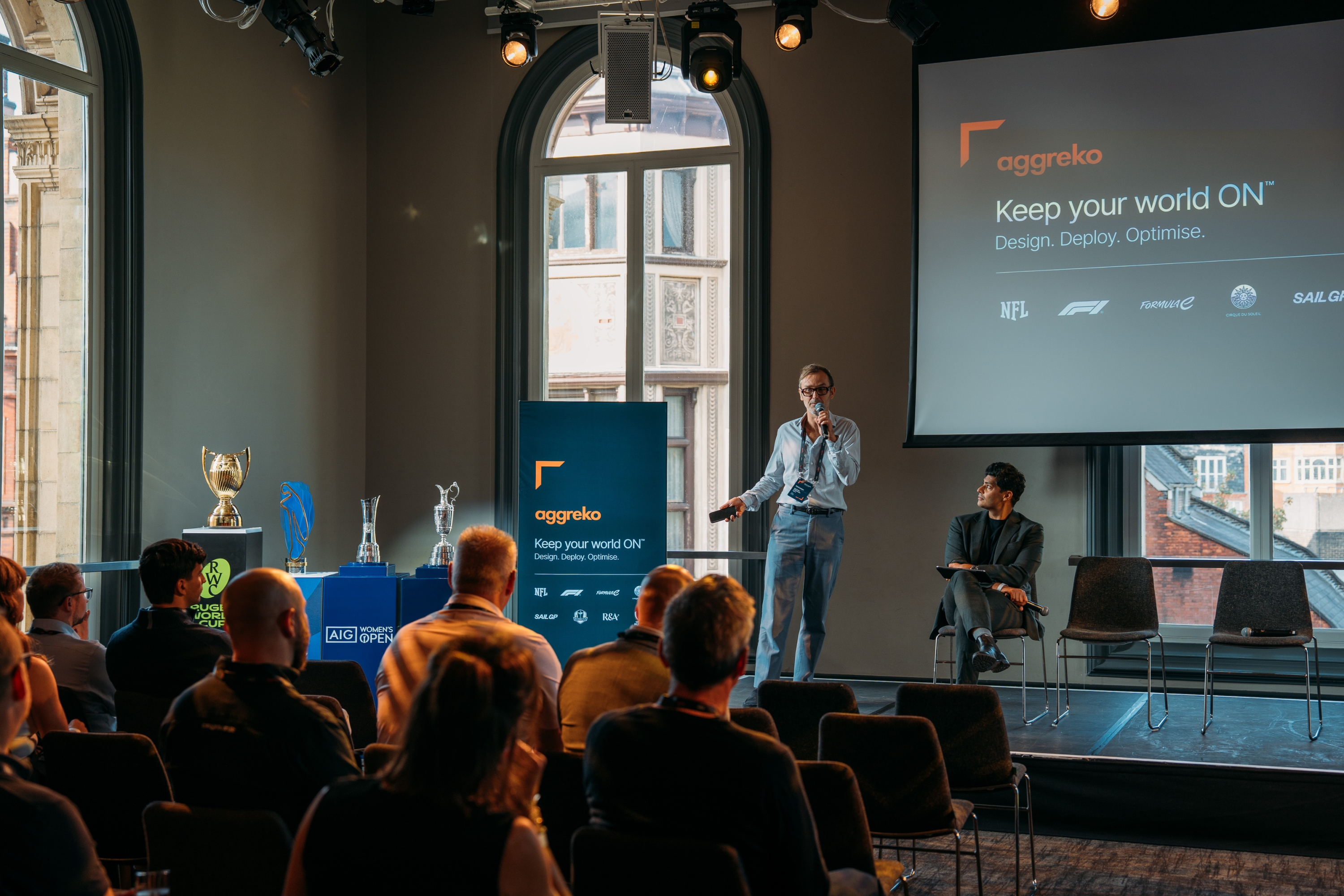
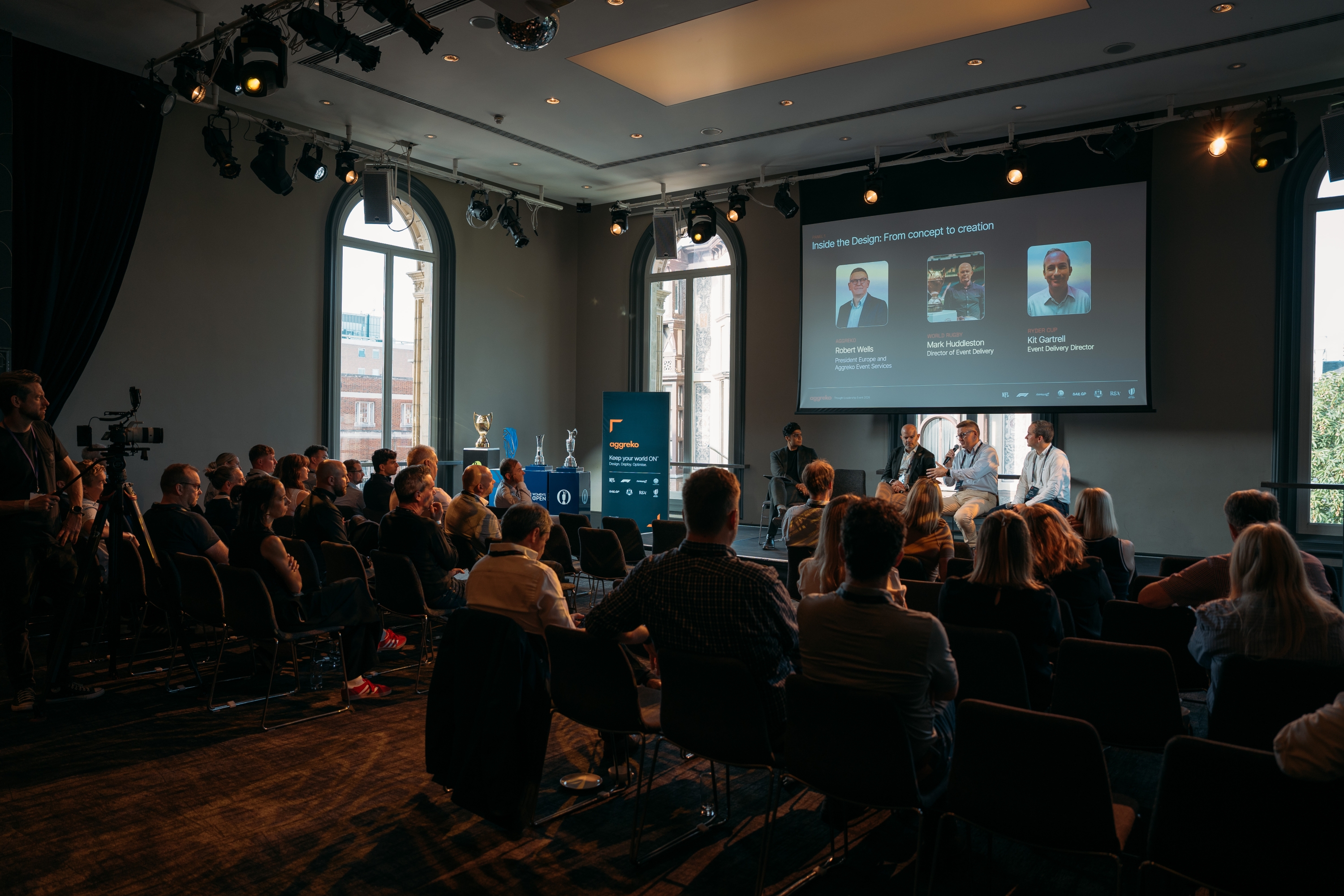
For major sporting events, planning starts long before the first fan walks through the gates. The first panel explored how organisers and their partners balance long-term ambition with an environment where requirements, technology and expectations can change significantly over time.
For the Ryder Cup, planning operates on a four-year cycle, while teams are looking as far as eight years ahead to understand infrastructure requirements. World Rugby similarly begins detailed venue planning around four years before a tournament, with more intensive delivery planning beginning around two years out.
The scale of that planning was illustrated by the Ryder Cup, where traffic modelling identified the need for seven entrances and seven entry points to accommodate 55,000 people in a single day.
“It’s difficult to know what an event might look like, or what the demand might be in four, eight, even 12 years, so we’re trying to put in place a flexible plan that can move and adjust.”
- Kit Gartell, Event Delivery Director, Ryder Cup
For Aggreko, the answer is not simply adding more equipment to meet growing demand, but making the entire operation smarter.
“There could be a misnomer that as a supplier to these major events and these customers, bigger is better. I think actually no – smarter is better.”
- Robert Wells, President Europe and Aggreko Event Services
That approach is already delivering measurable results. Looking at 2014 compared with 2023, Kit Gartrell highlighted that while the Ryder Cup had grown by 50% in size and footprint, the growth in generator requirements had not followed the same trajectory – reflecting improvements in efficiency, technology and the adoption of solutions including solar.
The panel also reinforced the importance of bringing specialist partners into the conversation early. For World Rugby, adaptability is just as important as preparation.
“We work in an environment that often throws up a number of different surprises. I think the events that continue to be successful are the ones that can adapt and be flexible, and can deal with issues and challenges as they arise.”
- Mark Huddleston, Director of Event Delivery, World Rugby
When the plan meets reality
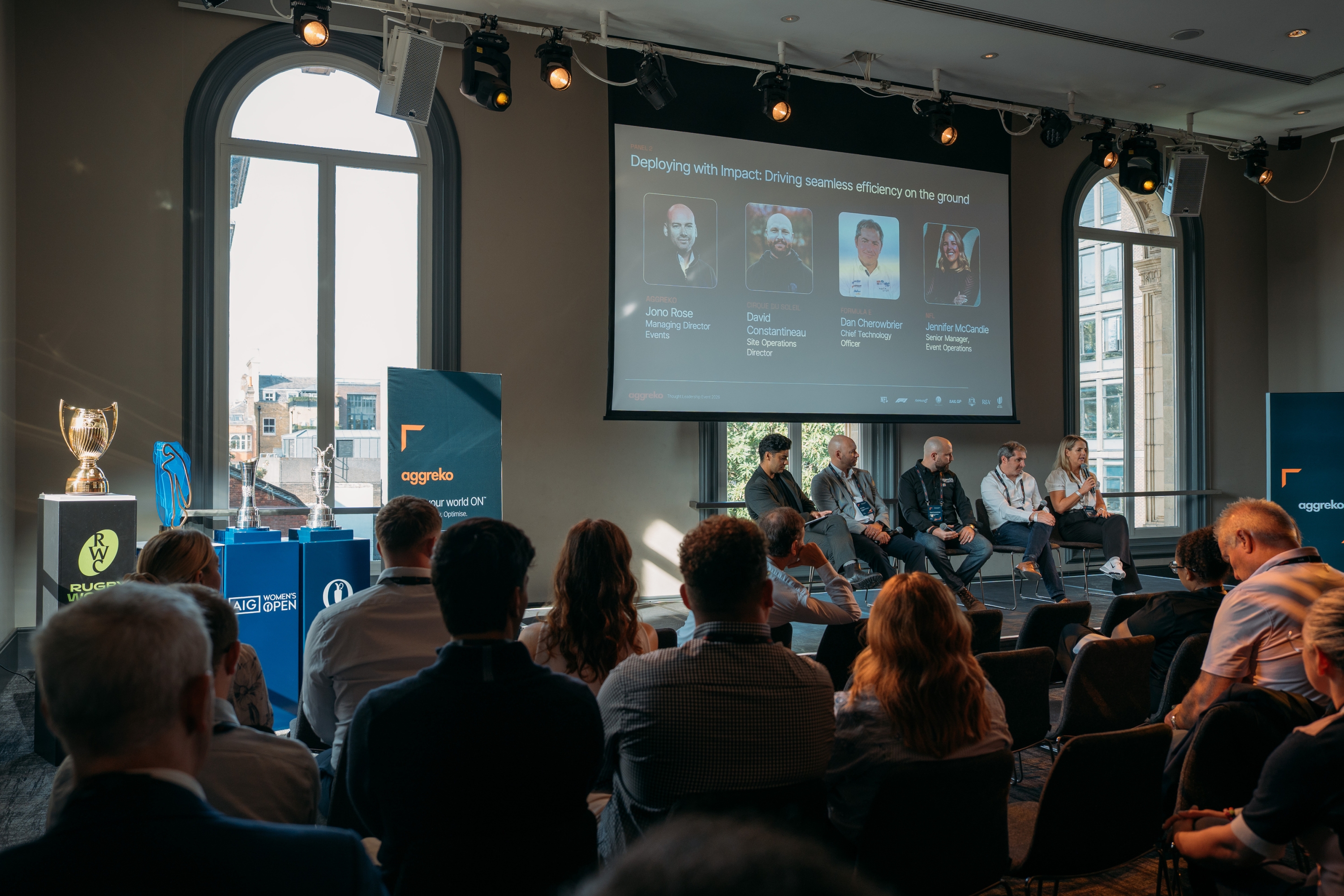
Even the most comprehensive plan has to stand up to the unpredictability of a live event. The second panel moved from planning into delivery, exploring how teams monitor infrastructure, manage risk and respond when conditions change.
For Cirque du Soleil, maintaining a consistent environment is critical. When unusually cold conditions in the Netherlands created additional heating requirements, they worked with Aggreko to deploy a battery system to provide additional capacity during peak periods.
“The climate will really affect our performance. Inside a big top, it needs to always be the same temperature – for the comfort of our audience, but also for the safety of our artists.”
- David Constantineau, Site Operations Director, Cirque du Soleil
Formula E faces a different challenge of delivering a global championship while reducing the environmental impact of transporting and powering the events. One of the sustainable solutions provided to Formula E has been to source equipment locally rather than transporting generators around the world – reducing the carbon impact associated with freight while maintaining resilience through approaches such as double sourcing. This has proved invaluable when charging all 24 electric race cars ahead of a race.
“We need to charge all the cars at exactly the same time. You cannot have one machine have a problem and the other is not – you have to be fair.”
– Dan Cherowbrier, Chief Technology Officer, Formula E
Data is also becoming a critical operational tool. Formula E has developed a digital twin of its event sites, combining information from CCTV, Wi-Fi and power infrastructure to understand where resources are required and enable intelligent load management.
Meanwhile, the NFL uses tabletop exercises during game week to rehearse potential scenarios and clarify who needs to make decisions when something goes wrong. Following the 2013 Super Bowl power outage, the organisation introduced UPS protection for game-critical systems, ensuring that field-of-play lighting, clocks and sideline technology can continue operating in the event of a power failure.
At an NFL event in Madrid, live data was imperative at keeping the event running smoothly.
“We were looking at the CCTV and our ticket scan data, and realised that we weren’t going to get people into the building by kick-off. We knew how many people we needed to be scanning per minute, and we saw that we weren’t doing it.”
– Jen McCandie, Senior Manager of Event Operations, NFL
For Aggreko, the lesson is that resilience is about much more than simply having a source of power. Increasingly, data is helping teams move from reacting to problems to preventing them. During a recent World Cup, Aggreko monitored systems across venues and was able to identify rising temperatures at a UPS and intervene before the issue became a problem.
“A lot of the work we do is not necessarily about the source or the backup power. It’s about how we distribute that power to the different people that need it around the stadium or golf course. The source has to be reliable, right-sized and efficient, but we still have to get that power out to the people who need it.”
– Jono Rose, Managing Director of Events, Aggreko
Since we’ve worked with Aggreko, emissions have reduced by 93%. But when you start drilling down into the fan experience, that experience has increased as well. We’re able to showcase that we’re making a positive environmental impact, but actually, the spectator impact has increased too.
Owen James, Sustainability Manager, The R&A
Building a more sustainable future
The final panel looked beyond the successful delivery of a single event to ask a bigger question – how can the industry use what it learns to make every event better, more efficient and more sustainable? For Aggreko, the progress is measurable. Scope 1 and 2 emissions have fallen from approximately 190,000 tonnes in 2021 to 136,025 tonnes, representing a 30% reduction.
Formula 1 has also made significant progress against its sustainability ambitions, highlighting a 35% reduction in its carbon footprint against its 2018 baseline, alongside a 12% reduction in emissions from freight logistics and race operations over the previous two years.
Partnerships are an important part of that progress. F1 has worked to develop solutions that support its sustainability goals, with one programme now delivering a more than 90% reduction in emissions across the European paddock.
“Those partners that embrace sustainability at the heart of the partnership, right from the off, understanding what we can achieve together – that’s important. We started our journey in 2023 with a test, and now we’re operating across our whole European paddock and reducing emissions by over 90%.”
– Joe Selfe, Head of Partnership Management, Formula 1
For SailGP, sustainability has been built into the organisation from the outset. The 2025 season saw its events powered by 100% clean energy, while ongoing innovation continues to explore ways of reducing its environmental impact.
“We worked together with Aggreko and partners to deploy a wind turbine, and it saved around 300 litres of diesel burn in Bermuda. It’s always little incremental bits that add up across the season.”
– Stuart Gentry, Global Operations Director, SailGP
The R&A shared its results from working with Aggreko across golf championships including The Open and AIG Women’s Open, showing how sustainable solutions has helped both the participants and the fans make greener choices.
“Since we’ve worked with Aggreko, emissions have reduced by 93%. But when you start drilling down into the fan experience, that experience has increased as well. We’re able to showcase that we’re making a positive environmental impact, but actually, the spectator impact has increased too.”
– Owen James, Sustainability Manager, The R&A
Aggreko’s David de Behr closed the day’s discussions with an insight into the company’s future.
“Hitting the goals of each of these companies can only be done with a long-term relationship. Massive investments are needed in our facilities, our people and the way we operate – and that’s the real long term.”
– David de Behr, Head of Sales and Partnerships, Aggreko
Hitting the goals of each of these companies can only be done with a long-term relationship. Massive investments are needed in our facilities, our people and the way we operate – and that’s the real long term.
David de Behr, Head of Sales and Partnerships, Aggreko
Conclusion
The strongest message from the day was that technology and data only deliver their full value when combined with the right people and relationships.
“The more I advance in my career, the more I realise how important trust and relationships are in this industry.”
– Jen McCandie, NFL
That sentiment was echoed throughout the event. From designing infrastructure years ahead of a tournament, to making decisions in the middle of a live show, the ability to work collaboratively, share knowledge and learn from every event is becoming increasingly important.
“It’s a relationship business for us. I think one of the biggest lessons that we’ve had is matching the right people with the right teams.”
– Robert Wells, Aggreko
Ultimately, the future of live events will depend on the industry's ability to balance performance, resilience, efficiency and sustainability – and to recognise that the most successful events are not simply those that work on the day, but those that leave teams better prepared for the next one.